
Collaboration
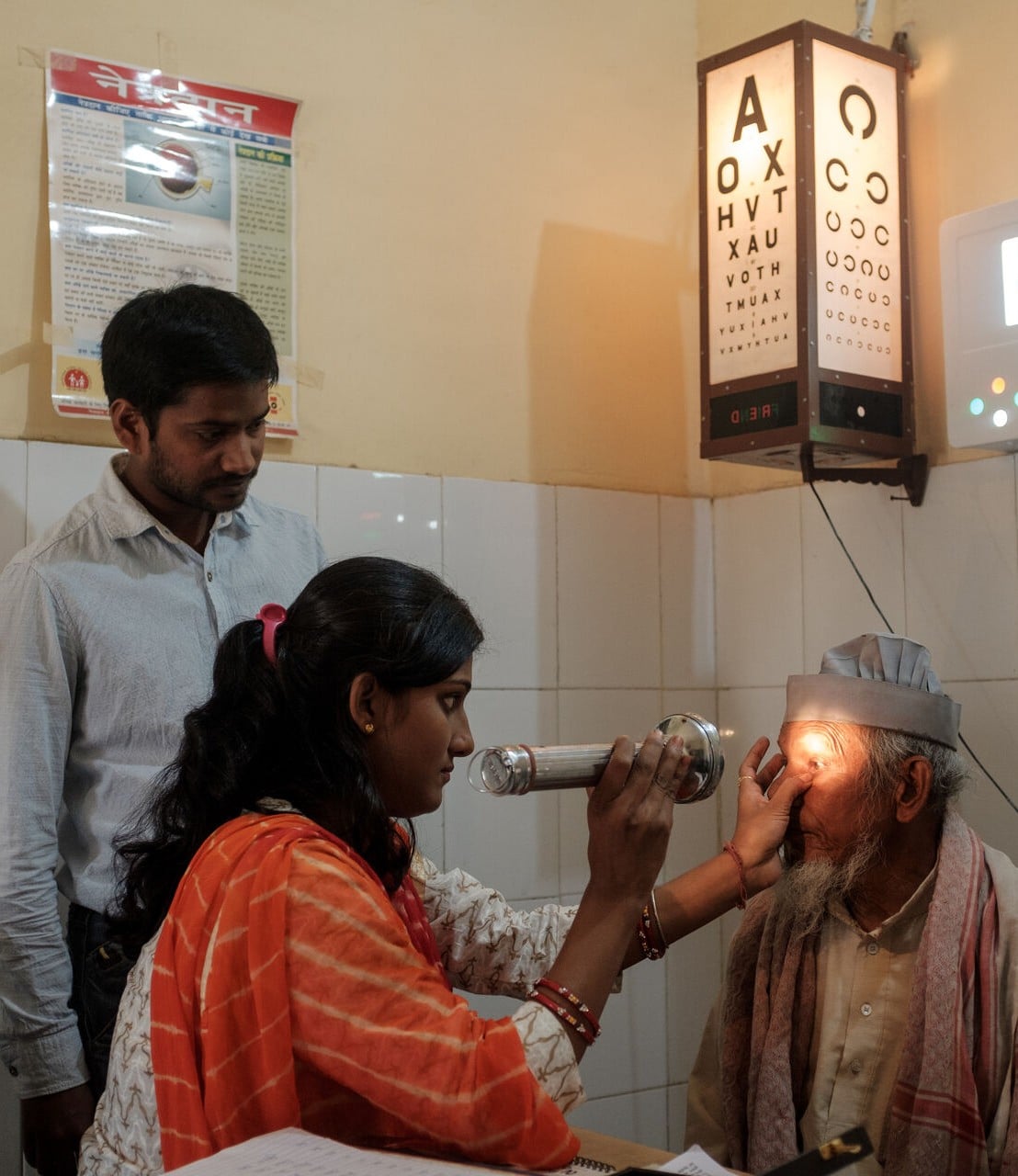 The Department of Geriatric Medicine at the All India Institute of Medical Sciences, New Delhi, is a WHO Collaborating Centre for Healthy Ageing. In this capacity, the Department has contributed to WHO’s work with strong clinical implementation experience, academic leadership, research capacity and direct service-delivery platforms on healthy ageing.
The centre conceptualized and established a culturally appropriate, sustainable and equitable long-term-care implementation framework, and then operationalized WHO’s Integrated Care for Older People (ICOPE) approach across outpatient and inpatient settings, screening thousands of older adults and generating real-world data across all intrinsic capacity domains.
WHO’s role in this collaboration was to contribute normative guidance, technical oversight and alignment with global and regional strategies, such as the Global Strategy and Plan of Action on Ageing and Health the United Nations Decade of Healthy Ageing and the South-East Asia Regional Strategy.
WHO ensured quality assurance, policy relevance, and integration of outputs into broader regional healthy ageing priorities.
Contributions
The centre’s key deliverables included the institutionalization of routine ICOPE screening in outpatient settings, resulting in more than 4,500 older adults being assessed each year. This work generated detailed intrinsic capacity data across cognitive, mobility, sensory, psychological and nutritional domains, enabling the development of personalized care plans with structured follow-up.
The centre also trained residents, nurses and scholars in ICOPE principles, convened a national ICOPE workshop that brought together over 200 participants, and led multiple capacity‑building initiatives.
In addition, the centre launched pilot longitudinal research to track intrinsic capacity trajectories during hospitalization and after discharge.
Together, these achievements strengthened WHO’s implementation learning, provided realworld evidence on feasibility, and supported regional advocacy for integrating intrinsic capacity into primary care and longterm care systems.
Knowledge transfer
WHO benefited from a demonstration site with systematic data generation on intrinsic capacity, feasibility of ICOPE integration and workforce capacity-building models. The centre provided contextual insights from a high-volume tertiary care setting relevant to scaling in resource-constrained environments. 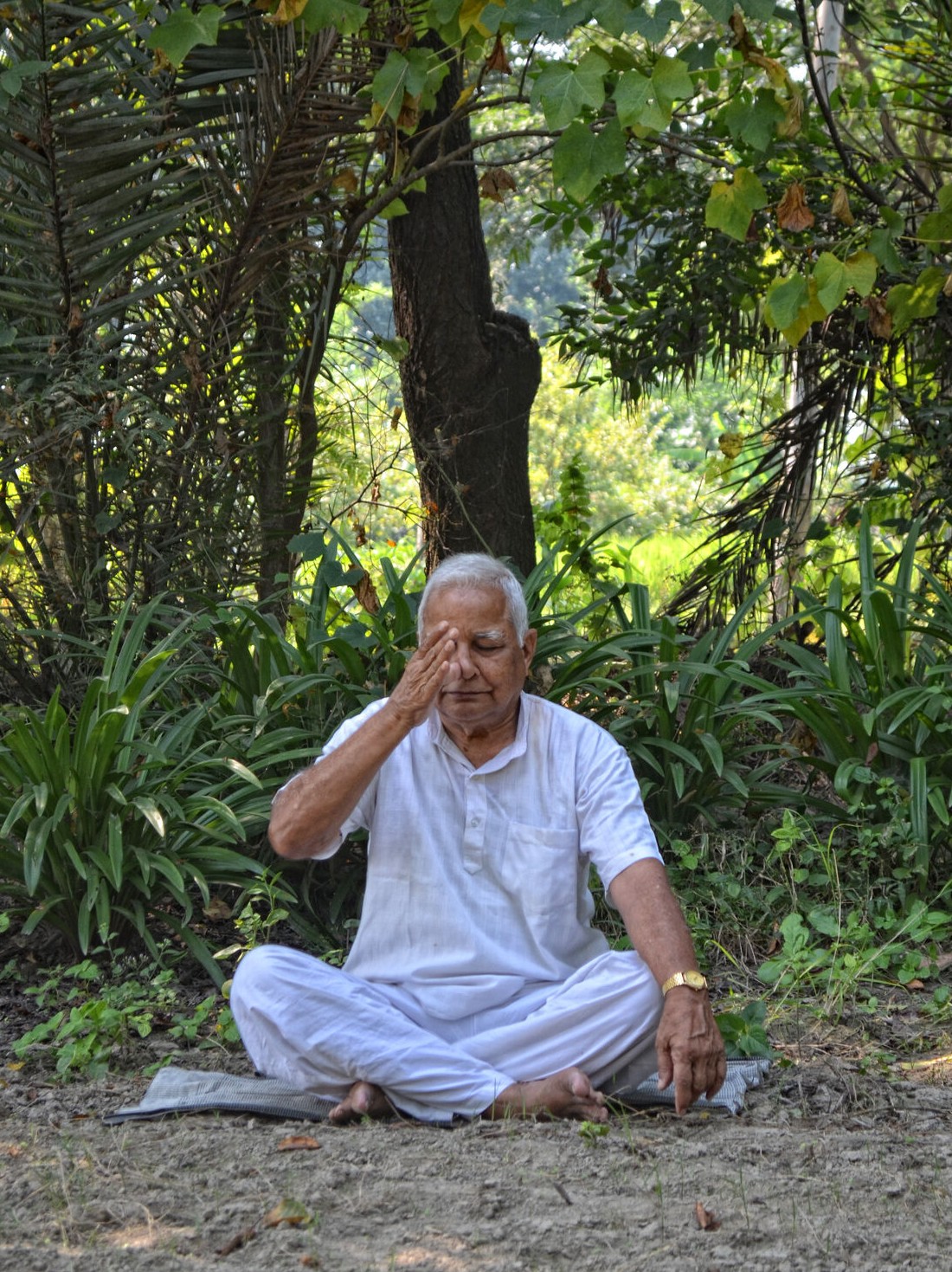
The centre also provided an operational environment for translating normative guidance into real-world implementation, thereby accelerating learning and validation.
On the other hand, this work allowed the centre to align their work with WHO normative frameworks, to enhance their visibility as a regional technical partner, strengthen their research outputs, and integrate global healthy ageing concepts into clinical practice and training.
The collaboration reinforced the importance of embedding intrinsic capacity and functional ability into routine care rather than treating geriatric care as a parallel specialty service. It also emphasized the need for implementation science, longitudinal follow-up and integration of long-term models with primary health care.
Finally, this collaboration also contributed to policy-level discussions on long-term care in India, highlighting the need to bridge gaps between hospital care, primary care and community-based support.
Future projects will focus on scalable ICOPE 2.0 adaptation, workforce development across the region and strengthening intermediate and day-care models within long-term care systems. The collaboration could also broaden multi‑country research on intrinsic capacity trajectories and further strengthen implementation research.